
Alligators For Sale
In the realm of extreme herpetoculture, the American Alligator (Alligator mississippiensis) represents the absolute pinnacle of reptilian ownership. While most hobbyists are content with a lizard or a tortoise, a specialized segment of the community seeks the power, prehistoric intelligence, and sheer presence of a crocodilian. In 2026, owning a "modern dinosaur" is no longer just a hobby—it is a massive logistical and financial undertaking.
Can I own a pet alligator?
Alligators have seen a surge in visual popularity due to high-definition social media content, but actual ownership remains extremely rare. In 2026, the reptile community has moved toward Conservation-Based Ownership. Most reputable breeders now require "Crocodilian Certification" or proof of specialized Class II permits before any sale is finalized. While hatchlings are undeniably cute with their iconic "chirping" sounds, they are a 50-year commitment that very few are truly prepared for.
Name: Joe Stutson
Posted: 6/14/2016
Email: joe77171@yahoo.com
Phone: 5046214151
Location: Destrehan
Louisiana
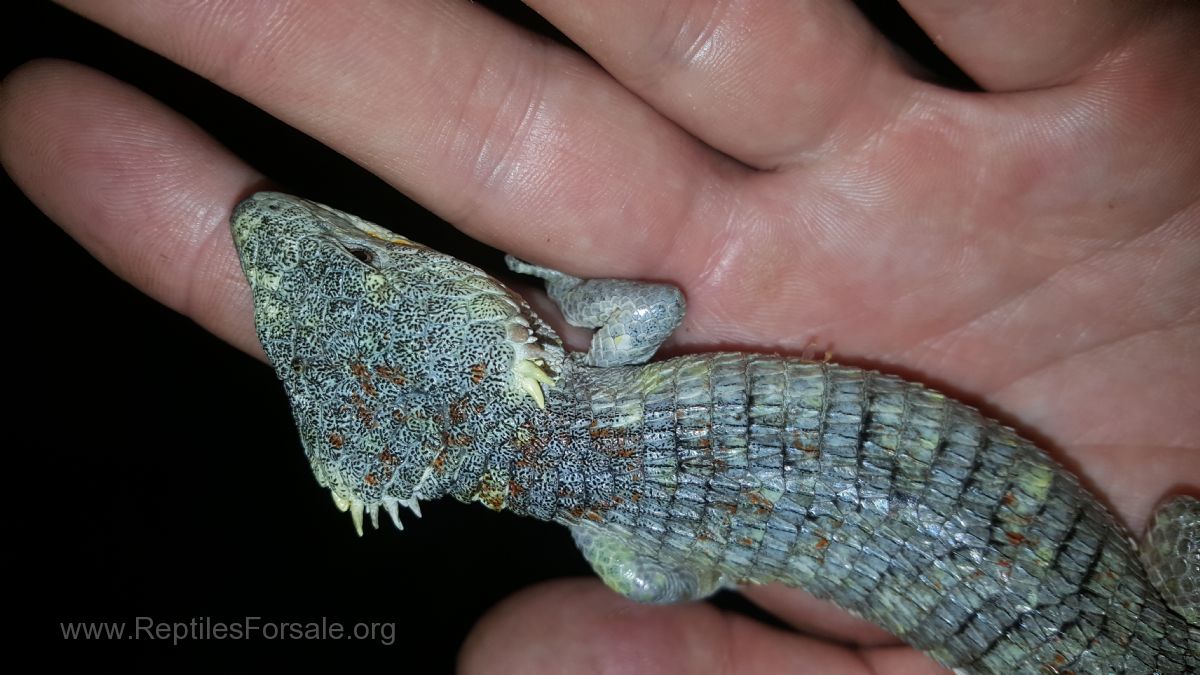 Abronia Lythrochila available
1.1 $850 shipped
Lone male $350 shipped
Blue male pictured in add $450 shipped
Feel free to text me at 504-six two one -4151
Or email me at joe77171@yahoo.com
Name: Joe Stutson
Posted: 6/14/2016
Email: joe77171@yahoo.com
Phone: 504 621 4151
Location: Destrehan
Louisiana
 Abronia Graminea available.
1.1 possible gravid female $550 shipped.
1.1 abronia graminea $475 shipped
Lone Possible gravid female $400 shipped
Lone female $300 shipped
Lone male $200 shipped
Feel free to text me at 504 six two one 4151
Or email me at joe77171@yahoo.com
Name: Candis
Posted: 1/7/2015
Email: candis@ponyxpresszoo@hotmail.com
Location: Maine
Alligators for sale. Range in size from 3' to 5'. Handled daily in the summer months. Good price to a good home.
Name: Hope Bennett
Posted: 10/17/2014
Website: www.wildlifewonders.org
Email: myfavoritezoo@gmail.com
Phone: 7068929130
Location: Cleveland
Georgia
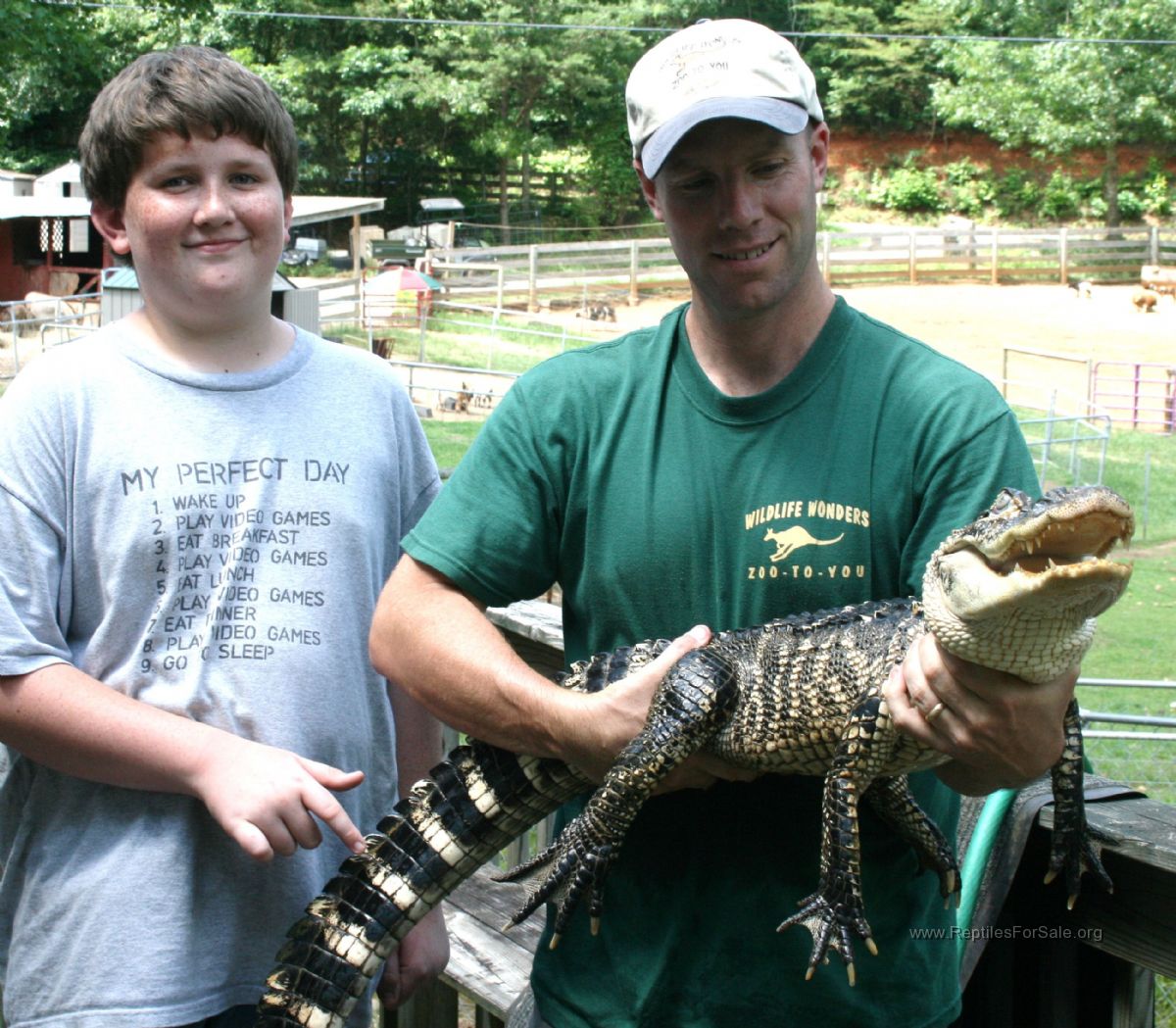 healthy, target trained, not friendly, experience handler holding him tight in picture don't get mislead just happen to be the picture I had handy.. must pick up. Adoption fee $50. not a first time pet. only contact if you know reptiles and your state laws.
Housing: The Scale of Growth
An alligator does not stop growing to fit its tank. By year six, a juvenile will have transitioned from a simple stock tank to a full-scale compound.
- Hatchling Phase (Year 1): A 75-gallon to 120-gallon stock tank with a 50/50 land-to-water ratio.
- Sub-Adult Phase (Years 2-5): Requires custom-built indoor ponds or 500-gallon industrial tanks.
- Adult Phase (Year 6+): A climate-controlled outdoor compound is the only ethical option. The perimeter must be reinforced and buried at least 2 feet deep to prevent escape by digging.
How to house an alligator in captivity
Maintaining an "Everglades" climate in a backyard requires industrial-grade hardware. Captive alligators in 2026 are kept with high-efficiency heating systems to avoid the stresses of "icing in" or brumation.
| Requirement | Standard | Equipment |
|---|---|---|
| Water Temperature | 75°F – 82°F | In-Line Titanium Heaters |
| Basking Hot Spot | 90°F – 95°F | Radiant Heat Panels / Halogen Arrays |
| UVB Index | Zone 4 (High) | T5 HO Linear UV Arrays |
| Water Quality | High Turnover | Industrial Bead Filters & UV Sterilizers |
What do pet alligators eat?
Dietary variety is the key to preventing obesity and gout. Alligators are opportunistic, but in captivity, they require a disciplined regimen of whole-prey items to ensure bone and organ health.
- Juveniles: Crawfish, tilapia, dubia roaches, and specialized "Gator Pellets."
- Adults: Whole chickens (with feathers/bones), rabbits, and large fish. In 2026, we strictly avoid "feeder goldfish" due to thiaminase risks.
Are pet alligators safe?
An alligator is never tame. It is a biological machine driven by instinct. In 2026, the "Golden Rule" of crocodilian ownership is maintaining a 3-foot safety buffer from the snout at all times.
- Bite Force: An adult can exert ~2,125 PSI, enough to crush bone instantly.
- Speed: On land, they can lunge at 30 mph. They are faster than a human over the first 10 feet.
- Intelligence: They observe routines and will wait for a lapse in your safety protocol to strike.
How much does an Alligator Cost?
The cost of the alligator is the least significant expense. The true burden lies in the infrastructure and legal bonding.
| Hatchling Alligator | $150 – $300 |
| Industrial Filtration Setup | $1,500 – $4,000 |
| Adult Outdoor Compound | $10,000 – $30,000 |
| Monthly Utility & Food Bill | $250 – $700 |
Are You Legally & Physically Qualified?
Owning an alligator requires state-level Class II Wildlife permits and specific homeowners insurance riders. Most sanctuaries are currently at capacity—ensure you have a 50-year plan before purchase.
Reptiles wanted
Reptile equipment
for sale
Submit reptiles wanted
Submit equipment for sale
Submit reptiles stores Submit reptiles breeders
Reptile Breeders
Reptile List
Reptile Pictures
Fish for Sale
Softbills for Sale
Birds for Sale
Raptors for Sale
Livestock for Sale
Pigeons for Sale